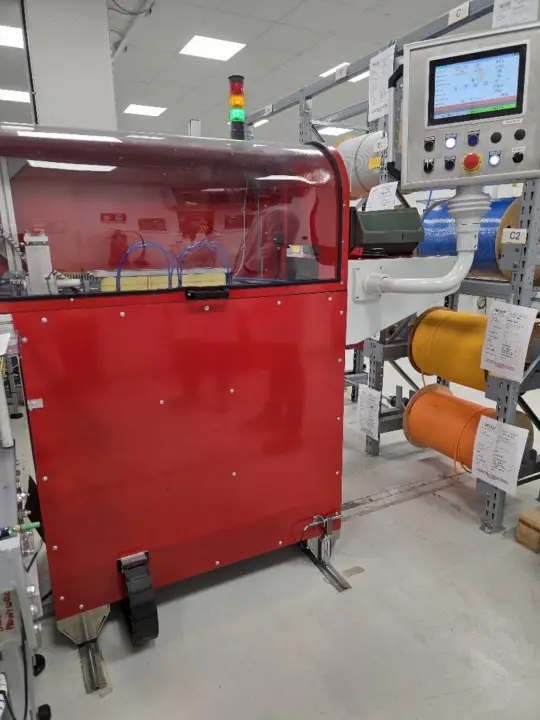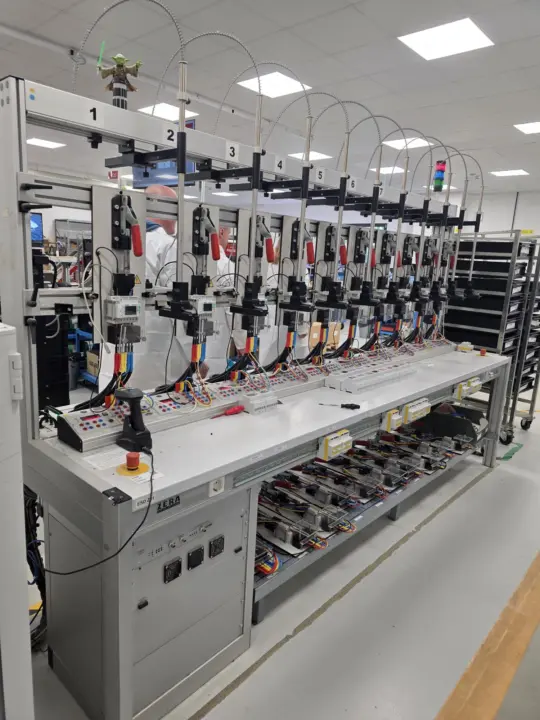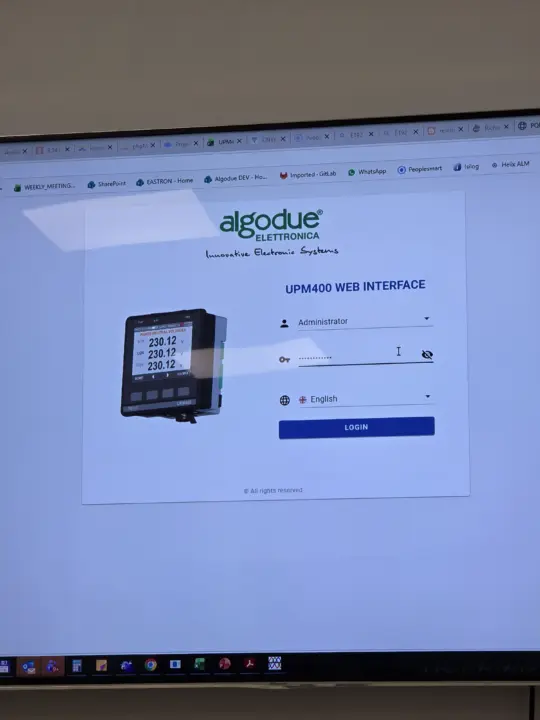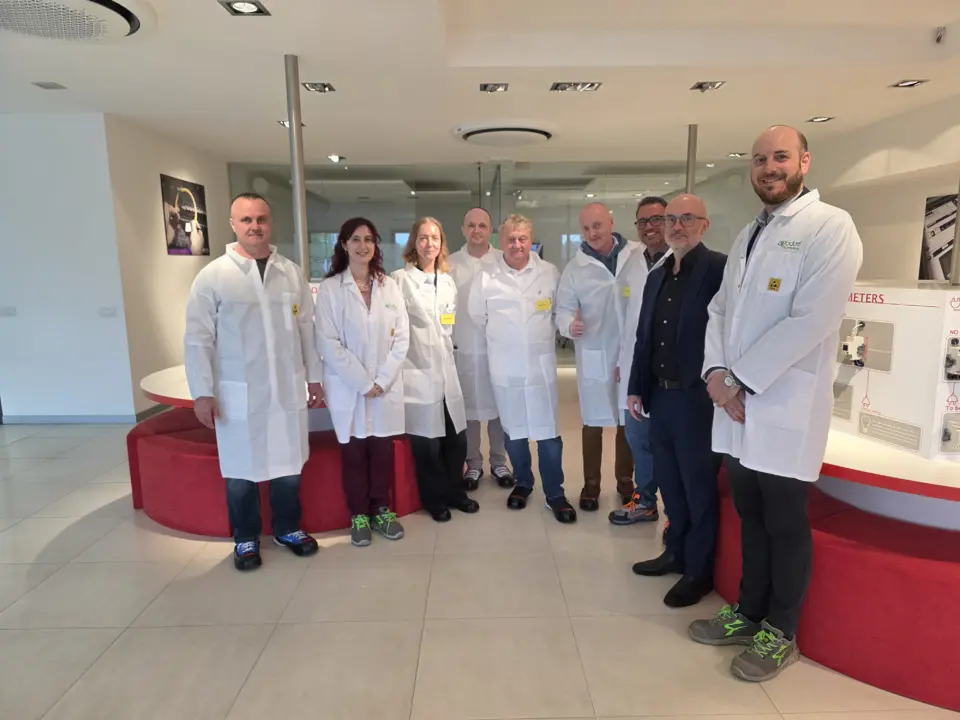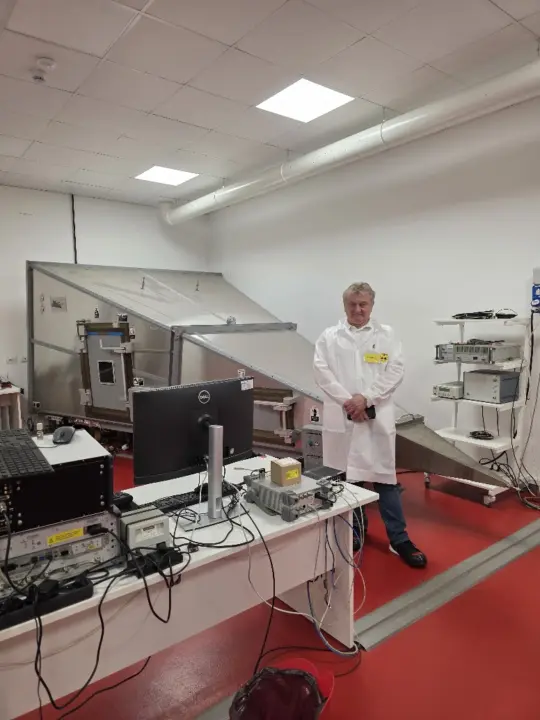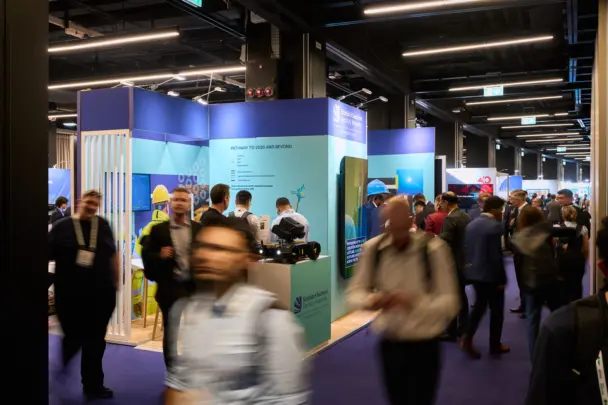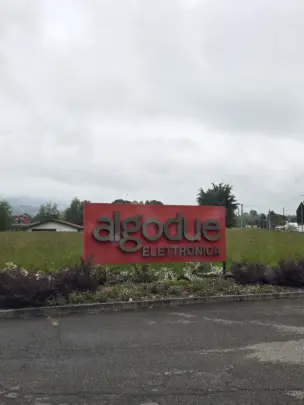
We wanted to see first-hand how the devices our customers use are made, take a closer look at the manufacturing and quality-control processes, and learn more about the latest solutions for electrical energy measurement and monitoring.
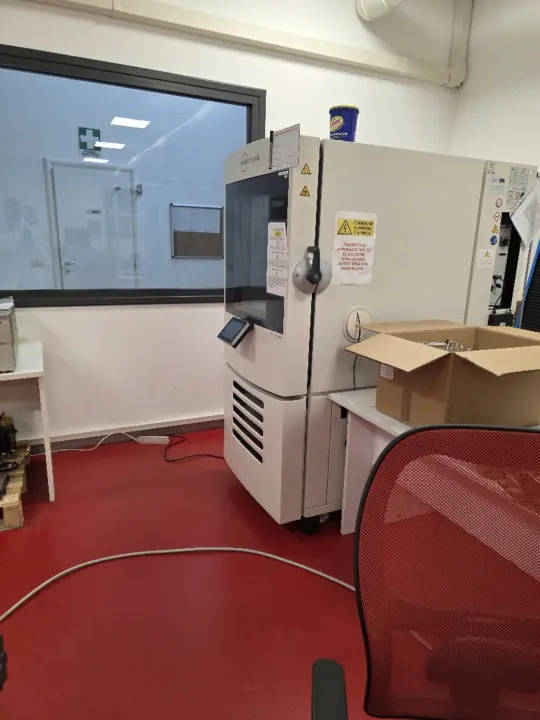
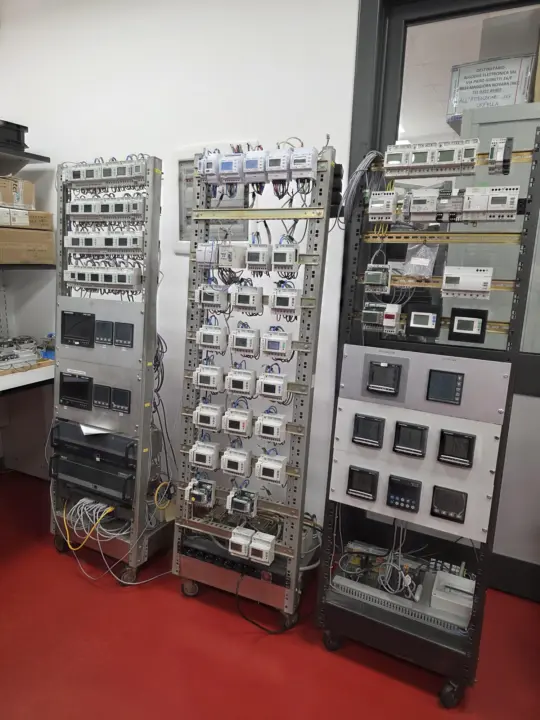
At the factory, we were able to follow the entire journey of a product – from manufacturing and testing to quality control, assembly and dispatch. In other words, we got to see what happens to a device before it ends up in a box and simply becomes a “product” from our perspective.
This behind-the-scenes view of manufacturing is important to us. The better we understand not only the product itself but also how it is made, tested and inspected, the better equipped we are to advise our customers on where and under what conditions a particular device will work best.
Naturally, the visit was not limited to touring the production lines. Together with Algodue’s specialists, we discussed different applications, technical details and the practical needs of customers, while also getting a preview of upcoming product developments. That is one of the advantages of visiting a manufacturer in person: sometimes a question can be answered much faster across a table than through ten emails.
Rogowski MFC – flexible where space is at a premium
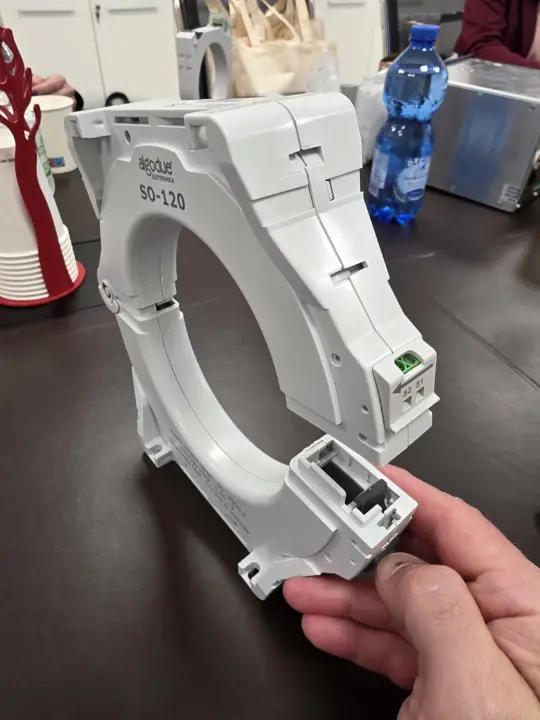
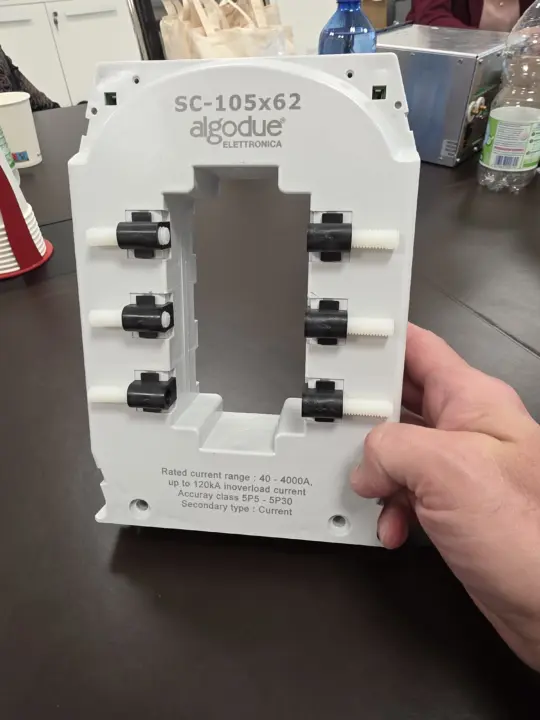
One of the products we focused on during the visit was Algodue’s MFC Rogowski coil.
Its key advantage is flexibility: the coil can be installed around a cable or busbar without requiring extensive modifications to the existing electrical installation. This makes the MFC particularly useful when upgrading existing electrical systems or adding energy monitoring in locations where installing a conventional current transformer would be difficult or time-consuming.
And as anyone who has ever worked inside a crowded electrical panel knows, spare space tends to be something of a luxury. The MFC’s flexible design therefore offers a real advantage in electrical panels where space is limited and ease of installation can make a significant difference.
Another development concerns the fastening and sealing options. The MFC140 is already available with a butterfly-type fastening system and the option of applying a seal, and the same solution is expected to become available for the MFC150 by the end of the year.
The butterfly fastening makes installation easier, while the sealing option helps ensure that the connection cannot be opened or altered unnoticed after installation. A small detail, perhaps, but an important one when the integrity and verifiability of the measurement circuit matter.
PQM4000 – the electrical network has more to say than meets the eye
Another solution that caught our attention was the PQM4000, designed for monitoring electrical parameters and power quality.
For many companies today, simply knowing how much electricity is being consumed is no longer enough. Kilowatt-hours tell a story – but not the whole story.
It is equally important to understand what is actually happening in the electrical network. Is the voltage staying within the required limits? Are there disturbances or deviations? Could a problem affect the operation or reliability of equipment?
Power quality monitoring provides a clearer picture of network conditions and helps identify deviations and potential problem areas – ideally before a piece of equipment decides to announce the problem in its own way.
This information can be valuable in industrial applications, building services and other environments where equipment reliability and transparency of energy use are important.
In September, we will also receive a PQM4000 demo unit, which we will be able to introduce to our customers and make available for testing.
This will provide an opportunity to try the device in a real operating environment, explore its functions and assess how well the PQM4000 suits the power and power-quality monitoring requirements of a particular site. Technical specifications are important, but seeing and testing a solution in practice can often tell you more than several pages of data sheets.
Why do we visit factories in the first place?
Of course, we could learn about a product by reading technical documentation, watching a presentation or joining a video call. Whenever possible, however, we prefer to go one step further.
For us, cooperation with a manufacturer means more than simply ordering and supplying products. We want to understand how a device works, how it is made, what checks it undergoes and in which applications it can deliver the greatest value to the customer.
Our visit to the Algodue factory gave our team valuable new insights into both existing products and upcoming developments. Direct contact with the manufacturer’s specialists is equally important: when more complex technical questions arise, it helps us find answers faster and keeps us up to date with new products and technologies. Most importantly, the knowledge gained at the factory does not stay with us.
It reaches our customers through more informed advice, better-considered product selection, opportunities to test new solutions and, ultimately, technical solutions that work in practice. And if there happens to be time for a proper Italian espresso along the way, that certainly does not make a factory visit any less worthwhile.